When teens ask a chatbot for mental health advice
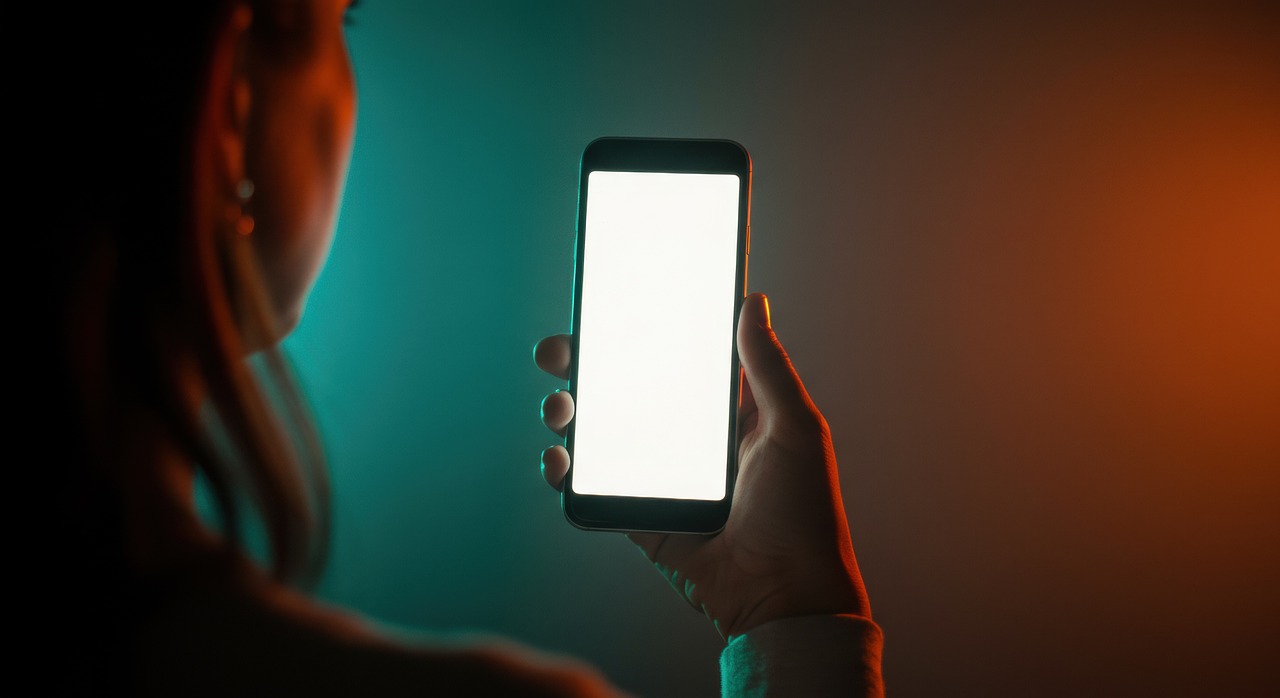
There is a version of the worry about children and AI that has nothing to do with homework. It is a teenager, alone at night, typing out the sentence they have not said aloud to a single person. Not to a friend. Not to a parent. To a chatbot.
How common is that, really? More common than most parents would guess, and getting more common fast.
The number worth sitting up for
In June 2026, researchers led by Ryan McBain of the RAND Corporation and Harvard Medical School published a nationally representative survey in JAMA Pediatrics. They asked young people aged 12 to 21 what they used AI chatbots for. Nearly one in five, 19.2 per cent, said they had used one for mental health advice. That works out to something like eight million young Americans. Among those who did, close to half were using a chatbot for this at least once a month, and more than nine in ten rated the advice as somewhat or very helpful.
A year earlier, a study in JAMA Network Open had put the figure at roughly one in eight. So the behaviour is not just common, it is climbing. McBain, writing in STAT in July 2026, reads the jump from one in eight to one in five inside a single year as a rise of around 40 per cent.
But the figure that should stop a parent is a quieter one. Of the young people using chatbots for mental health advice, 63 per cent had not told anyone they were doing it.

Why they reach for it, and it isn’t foolishness
The pull is not mysterious. A chatbot is free. It is awake at two in the morning. It is never busy, never visibly tired of you, and it will not repeat what you said to your mother. For a teenager sitting with a worry they feel embarrassed to say out loud, that is a low door to walk through.
And there is a real gap sitting behind the habit. McBain points to United States government data showing that fewer than half of adolescents who had a major depressive episode received any counselling or therapy in 2023. A chatbot replies in seconds. A waitlist does not reply at all. Seen that way, a patient machine that answers a frightened question at 2am is not obviously worse than the silence a lot of children are otherwise left with. That is exactly why “just ban it” rings hollow, and why it tends to fail.
The problem is less the advice than the secrecy
Here is the through-line. Two-thirds of these young people are carrying something heavy enough to ask about, and no adult in their life knows the conversation is happening.
That matters for two reasons. The first is what the tool is. General-purpose chatbots were not built to sit with a child in crisis, and there are now lawsuits alleging that chatbot conversations played a part in teenagers’ deaths. The American Psychological Association, in a June 2025 health advisory on AI and adolescent well-being, warned that young people can struggle to tell the difference between a chatbot’s simulated empathy and genuine human understanding, and it was blunt that these tools are not a substitute for professional care.
The second reason is subtler and, honestly, the one that keeps me up. A private habit means no one is watching for the moment it tips. The point where a teenager stops venting and starts describing something that needs a real person is precisely the point a chatbot cannot reliably see, and the point no parent gets to see either, because they were never told the conversation existed.

What actually helps
The APA’s advice to parents is refreshingly undramatic. Build a bit of AI literacy together, so a child understands what the thing is and is not. Model it yourself. Keep real, human relationships in good repair. And have the conversation, before you need to.
The move is to make this discussable rather than forbidden, because a forbidden habit does not stop. It just gets quieter, and it is already very quiet.
One concrete thing you can do this week costs nothing. Ask, with no alarm in your voice, “if something were really bothering you, who would you go to?” If the honest answer is “no one, I’d probably just ask the AI,” you have not uncovered a failure. You have found the exact gap the survey is measuring, in your own house, while there is still time to do something about it.
(A disclosure, since it touches what we build: Mentus AI makes an AI mentoring product for learning, not a therapist, and we would tell you the same thing the psychologists do. A chatbot is not a counsellor, and it should never be the only one a child has.)
A chatbot’s whole advantage is that it is always there and never flinches. You cannot out-compete the always-there part; you have a life and it does not. What you can do is be the one who never flinches, so that when the question is real, your child still has a human they would choose to tell.
Sources
- Chatbot Use and Disclosure for Mental Health Among US Adolescents and Young Adults · JAMA Pediatrics
- One in eight adolescents and young adults use AI chatbots for mental health advice · Brown University School of Public Health
- Teens are turning to chatbots for mental health help. We need rules to keep them safe · STAT
- Health advisory: Artificial intelligence and adolescent well-being · American Psychological Association