AI deepfake nudes in schools are a peer problem, not stranger danger
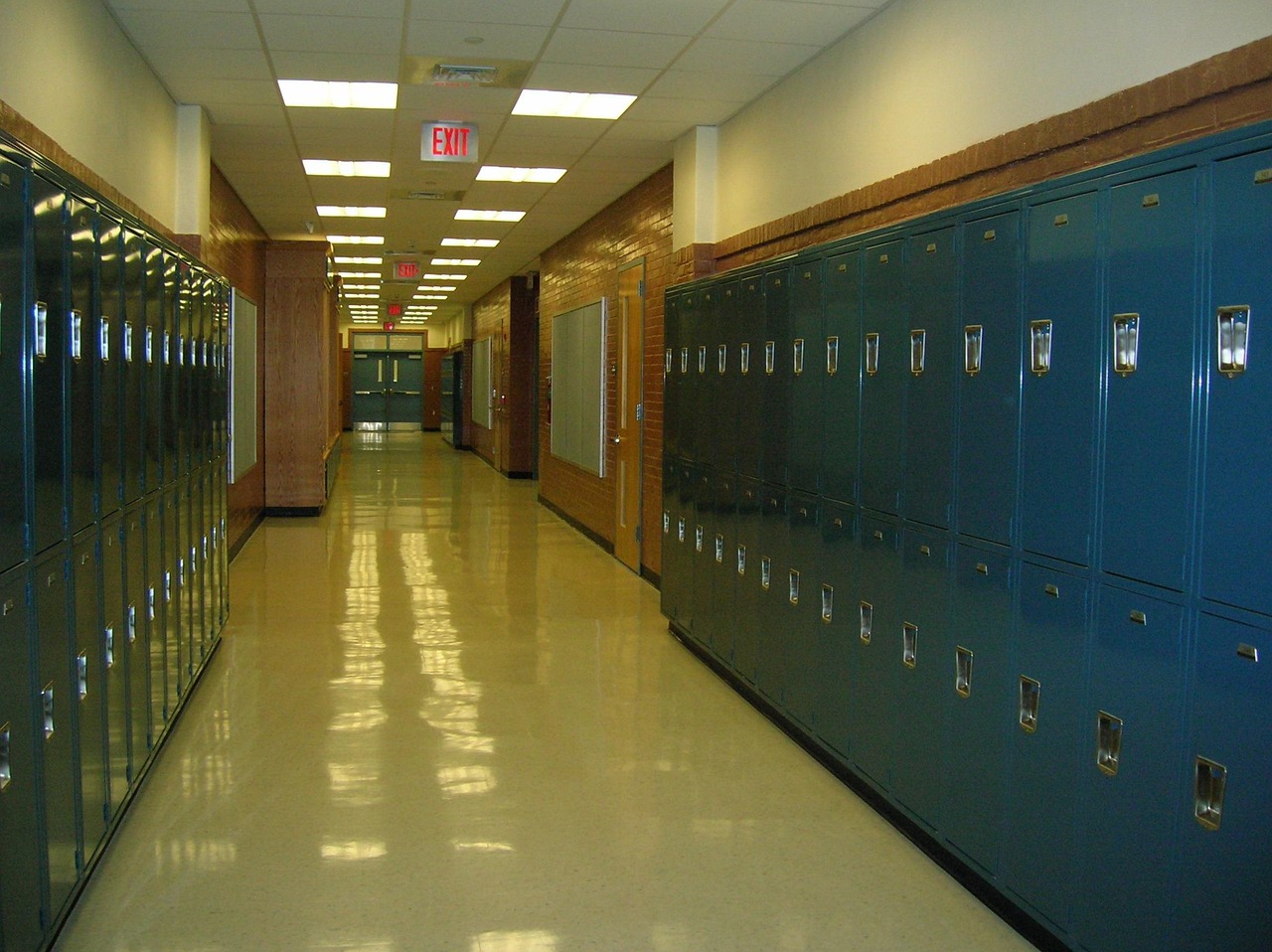
The threat most parents picture is a stranger. A grown man in another country, patient and hidden, coaxing photos out of a lonely child online. That version is real, and it still happens. But it is not what turned up in middle schools across Massachusetts and New Hampshire this past year, documented in an April 2026 Boston Globe investigation. There, the person making fake nude images of a 13-year-old girl was usually a boy from her own year, someone she passed in the corridor.
That is the part the usual online-safety talk misses. We warn kids about who might contact them from the outside. We spend far less time on the idea that the harm could come from a classmate with a phone and five dollars.
What the apps actually changed
“Nudify” or “undress” apps do one thing. You feed in an ordinary clothed photo and they generate a fake naked one. Stanford’s Riana Pfefferkorn, who researches this, put it plainly: the tools “do away with all the work previously required” to make such material, so it is “shockingly easy” for a student to find and use one.
Cheap, too. The Boston Globe found images going for as little as US$4.99 each, and a single nudify site pulling in more than five million visits in one month. When something costs less than a snack and needs no skill, a bad idea a teenager might once have dropped becomes a few taps.

The scale is now measurable. In February 2026 UNICEF, working with INTERPOL and the child-protection network ECPAT, reported that across 11 countries roughly 1.2 million children said someone had made manipulated sexual images of them in the past year. In some of those countries that worked out to about one child in 25, close to one per classroom. Up to two-thirds of children said they worried AI could be used to make fake sexual content of them. UNICEF’s line is worth keeping: there is “nothing fake about the harm it causes.”
The Internet Watch Foundation, which tracks this material and works to remove it, said its reports of AI-generated child sexual abuse imagery more than doubled in a year, from 199 to 426 by late 2025. In the images it analysed, girls were 94% of the victims.
Why schools keep getting caught flat
Most schools have no plan for this, and the ones that improvise often make it worse. Pfefferkorn’s research warns that clumsy institutional responses can deepen a victim’s trauma rather than ease it.
The numbers back the impression. In Massachusetts, the Boston Globe reviewed 113 school district policies and found only nine that even mentioned AI-generated sexual harassment, and only five that spelled out what the discipline would be. Nationally, fewer than a quarter of teachers said their school had any policy on deepfakes at all. Schools tend to act after an incident, not before, and by then a child is already the subject of an image moving around on Snapchat.
Pfefferkorn’s blunt summary, from the same reporting: “Unless a parent goes on a warpath, these things really go unnoticed.”
The law helps, but it arrives late
There is now a federal backstop. Since 19 May 2026, the Take It Down Act has required apps and websites in the United States to remove flagged non-consensual intimate images, including AI-made ones, within 48 hours of a valid request. Posting a deepfake of a minor to harass them can carry up to three years in prison.
That matters. It also lands after the fact. As some of the lawmakers behind it concede, the design is reactive. A child, or their parent, still has to find the image, recognise it, and ask for it to come down. For a frightened 13-year-old, that is a lot to carry alone.
The conversation that actually protects a kid
So the useful move is not another monitoring app. It is a talk that runs in both directions, because your child could end up on either side of this.
One direction is being targeted. Kids need to hear, before anything happens, that a fake image is not their fault and not a secret they have to manage alone, and that the adults around them will act rather than freeze. Shame is the fuel that keeps these images spreading.
The other direction is the one parents skip. The child making or forwarding a nudify image is often not a predator in any sense they would recognise. They are a bored teenager who thinks it is a joke or a dare. They need to hear, in plain words, that generating or passing on one of these pictures of a classmate is abuse and, increasingly, a crime, not mischief. Stanford’s researchers frame the prevention as teaching consent and bodily autonomy early, in terms a young child can actually hold onto.
And there is one small, concrete thing worth doing at the school level. Ask whether there is a written policy on AI-generated sexual images, and what happens when a report comes in. If the honest answer is that nobody has thought about it yet, you have just found the gap that needs closing before your own child falls into it.

Sources
- 'Deepfake abuse is abuse,' UNICEF warns · UN News
- How Do We Protect Children in the Age of AI? · Stanford HAI
- Deepfake sextortion forces schools to remove student photos from websites · Malwarebytes Labs
- Nude AI-generated deepfakes are destroying students' lives · The Boston Globe
- New federal law targets AI deepfake porn as schools grapple with growing problem · Arizona's Family